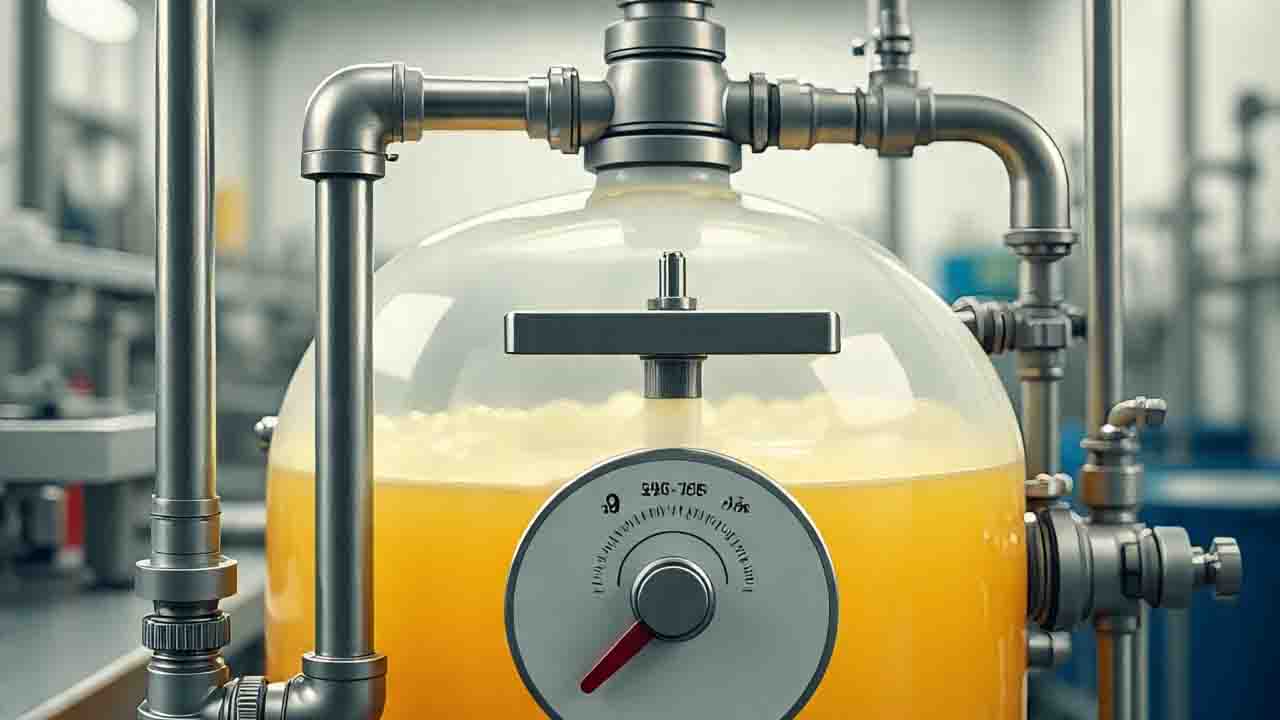
Dieselspecialists – Green Combustion is no longer a distant vision it is quickly becoming a defining movement in Europe’s clean energy transition. As the continent tightens its climate regulations, countries across the European Union are exploring bio-diesel and e-diesel as promising alternatives to conventional diesel fuels. Derived from renewable sources such as vegetable oil, animal fats, or even recycled cooking oil, bio-diesel offers a lower-emission solution for diesel engines. Meanwhile, e-diesel, produced using captured CO₂ and green hydrogen, presents an innovative path toward carbon-neutral combustion.
In nations like Germany, Sweden, and the Netherlands, early adoption is being driven not just by environmental urgency but also by strong policy support. With diesel engines still widely used in transportation and heavy industry. Green Combustion initiatives are aiming to reduce the sector’s carbon footprint without requiring a complete overhaul of existing infrastructure.
“Aprilia RSV4 2025: Aerodynamics Meet AI”
As Green Combustion gains momentum, bio-diesel compatibility is becoming a common feature in new vehicle models. Cars and trucks that can run on B20 (20% bio-diesel) or B100 (pure bio-diesel) are now being marketed in several European countries. These fuels burn cleaner and produce significantly fewer particulates and greenhouse gases compared to traditional fossil diesel.
Automakers and fuel producers are collaborating to ensure fuel availability and engine reliability. Volvo, Mercedes-Benz, and Scania are among the leading manufacturers endorsing bio-diesel-ready engines. Targeting commercial fleets and logistics companies aiming to meet sustainability goals. At the same time. Fuel stations across Scandinavia and parts of Western Europe are expanding their biofuel offerings to accommodate growing demand.
The rise of e-diesel further pushes the boundaries of Green Combustion. Unlike bio-diesel, e-diesel is not biologically sourced but chemically synthesized from captured carbon dioxide and green hydrogen. This synthetic fuel holds the potential to drastically cut emissions while delivering similar energy density and performance as fossil diesel.
Though still in early stages of commercial deployment, pilot programs across Europe show promising results. Companies like Audi and Bosch are investing in scalable e-fuel production, while policymakers consider incentive structures to accelerate adoption. With continued innovation and support, Green Combustion may redefine what it means to drive a diesel vehicle in the 21st century cleaner, smarter, and more sustainable than ever before.
“Off the Beaten Path: Travel Surges to Mongolia and The Stans”
Dieselspecialists - The heavy equipment sector is undergoing a silent revolution, driven by stringent emission standards and the demand for…
Dieselspecialists - Unplanned downtime for a single mining haul truck can cost operations up to $50,000 per hour, yet industry…
Dieselspecialists - The era of diesel engines being defined solely by raw displacement and black smoke is effectively over. Recent…
Dieselspecialists - Downtime in the mining sector is the silent profit killer that rarely makes it to the quarterly report.…
Dieselspecialists - The global construction and mining sectors are currently navigating a complex paradox where the demand for higher productivity…
Dieselspecialists - Unplanned downtime in the heavy machinery sector now averages a staggering $22,000 per minute according to a 2023…