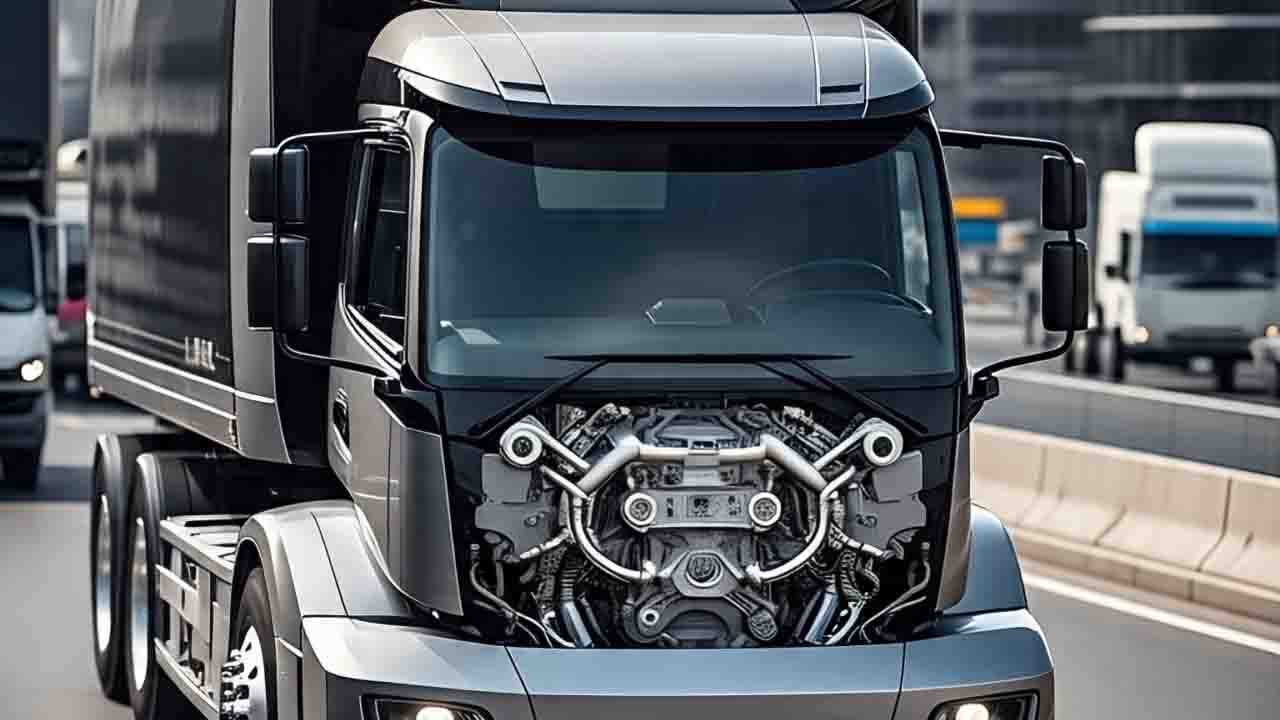
Dieselspecialists – Diesel Without Limits is no longer just a futuristic concept it is becoming a reality as intelligent, camless diesel engines enter the global spotlight. With traditional camshaft systems being replaced by fully electronic valve and fuel control, a new chapter is opening in engine efficiency, flexibility, and precision. This groundbreaking innovation allows diesel engines to perform smarter, cleaner, and more adaptively than ever before.
Diesel Without Limits begins with a bold departure from convention: the elimination of the camshaft, a component that has controlled engine valve timing for over a century. By removing the mechanical link between the crankshaft and valves, engineers have opened the door to unprecedented control. In camless systems, valves are operated using electrohydraulic or electromagnetic actuators, enabling complete flexibility over timing, duration, and lift.
This means that every valve can be managed independently, based on real-time engine conditions. The result? Optimized combustion, reduced emissions, and better fuel efficiency across a wide range of operating modes.
“Conquering the Himalayas: An Epic Ride from Manali to Ladakh”
At the heart of Diesel Without Limits lies digital intelligence. Advanced electronic control units (ECUs) in modern camless diesel engines actively monitor variables such as engine load, temperature, fuel quality, and driving behavior. These smart systems adjust valve movements and fuel injection patterns dynamically, delivering peak performance while minimizing environmental impact.
Moreover, these engines come with built-in diagnostics and remote access capabilities. Fleet operators, for example, can monitor engine health, update parameters, or perform predictive maintenance remotely. This enhances reliability and reduces downtime two major concerns in commercial and industrial transport.
Diesel Without Limits also aligns with global efforts to reduce carbon footprints in transportation and industry. With precise combustion control, camless diesel engines significantly cut NOx and particulate emissions. This makes them attractive for manufacturers aiming to meet or exceed strict emissions regulations, particularly in Europe, Asia, and North America.
As the technology matures, applications are expanding beyond automotive to marine, agriculture, and heavy machinery sectors. These engines not only improve efficiency but also offer the adaptability needed in increasingly connected and eco-conscious markets.
“America the Beautiful: Brand USA Unveils Bold Campaign”
Dieselspecialists - a recent survey revealed that 68% of fleet operators reported unexpected downtime due to outdated diesel components, underscoring…
Dieselspecialists - The automotive world is witnessing a surge of innovative engine solutions, with hybrid turbo‑charged units now powering 18%…
Dieselspecialists - A recent survey by the International Machinery Institute showed that 68% of equipment failures are linked to skipped…
Dieselspecialists - A recent field audit revealed that 42% of heavy diesel engine failures stem from overlooked routine checks, prompting…
Dieselspecialists - Heavy-duty manufacturers are racing to cut fuel consumption after a recent study revealed a 12% average waste in…
Dieselspecialists - Operators of large diesel machines face a steep learning curve, yet a recent study by the International Equipment…