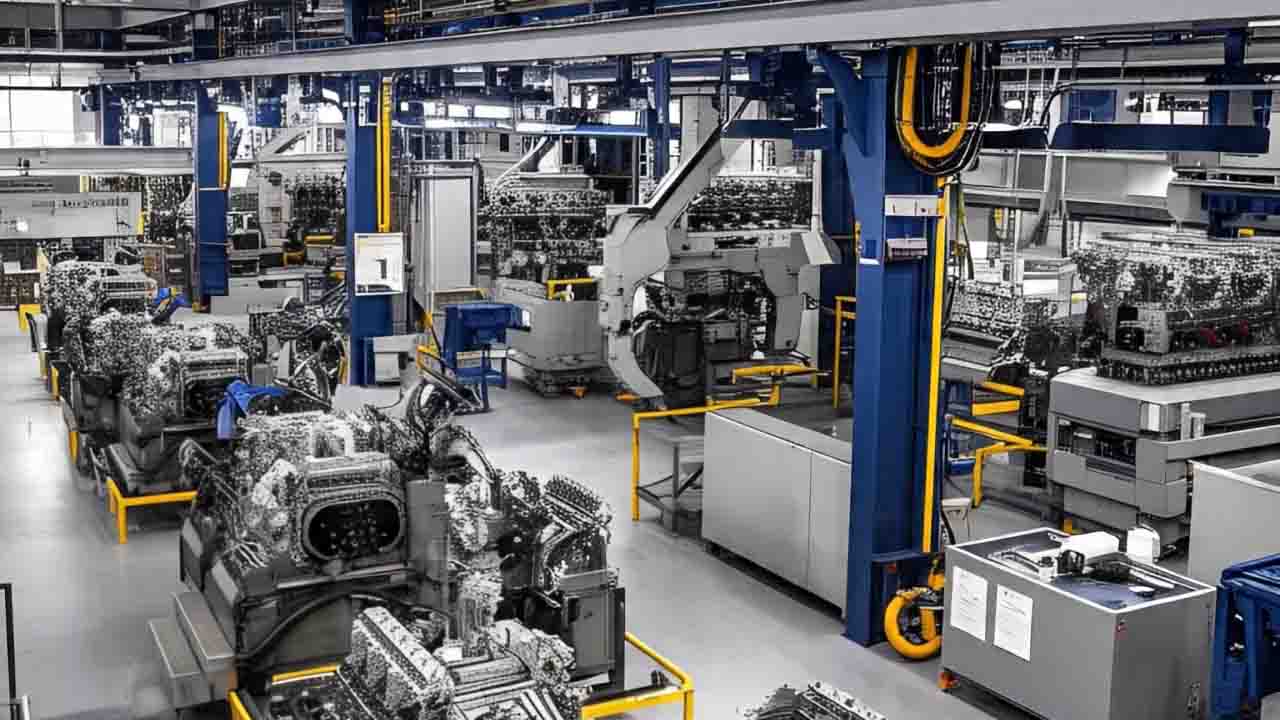
Dieselspecialists – Global regulations drive a profound transformation in diesel engine technology as countries tighten emissions standards to combat climate change and improve air quality. Leading economies such as Japan, Germany, and the United States are implementing stricter environmental policies that are forcing automakers to innovate or fall behind.
These governments have rolled out aggressive targets to reduce nitrogen oxide (NOx) and particulate matter (PM) emissions from internal combustion engines. In response, manufacturers are redesigning diesel engines to be cleaner and more efficient without compromising on power or durability. Technologies such as Selective Catalytic Reduction (SCR), Diesel Particulate Filters (DPF), and advanced turbocharging systems have become standard in modern diesel platforms.
Beyond regulations, incentives for producing low-emission vehicles are also fueling change. Tax credits, subsidies, and access to urban low-emission zones are pushing automakers to prioritize clean diesel as a transition technology alongside electric mobility.
“Ola Roadster X: The Future of Electric Riding”
Global regulations drive not only compliance, but also innovation. Major engine manufacturers are now investing heavily in research and development to meet the evolving standards while preserving diesel’s traditional advantages high torque, fuel economy, and long-term durability.
Brands like Mercedes-Benz, Cummins, and Isuzu have introduced next-generation diesel engines that meet Euro 6 and EPA Tier 4 standards. These engines feature improved combustion efficiency, electronic fuel injection systems, and emissions control modules that reduce pollutants while maximizing output.
In Japan, some truck manufacturers have even started integrating mild-hybrid systems with diesel engines to improve efficiency during low-speed. Stop-and-go operations often the most polluting scenarios.
Global regulations drive a broader shift toward sustainability in transportation. While electric vehicles dominate the headlines. Diesel engines remain crucial for heavy-duty applications, including freight, agriculture, and construction sectors where battery solutions are still limited.
The new wave of diesel technology seeks to align with environmental goals without sacrificing performance. As more countries adopt carbon-neutral roadmaps, the demand for ultra-clean combustion engines will continue to grow. In this context, diesel is evolving not disappearing redefined by necessity and driven by regulation.
“US Escalates Tensions with China by Targeting Student Visas”
Dieselspecialists - Unplanned downtime for a single mining haul truck can cost operations up to $50,000 per hour, yet industry…
Dieselspecialists - The era of diesel engines being defined solely by raw displacement and black smoke is effectively over. Recent…
Dieselspecialists - Downtime in the mining sector is the silent profit killer that rarely makes it to the quarterly report.…
Dieselspecialists - The global construction and mining sectors are currently navigating a complex paradox where the demand for higher productivity…
Dieselspecialists - Unplanned downtime in the heavy machinery sector now averages a staggering $22,000 per minute according to a 2023…
Dieselspecialists - Unplanned downtime in large-scale earthmoving operations costs contractors an average of $22,000 per hour according to a 2023…