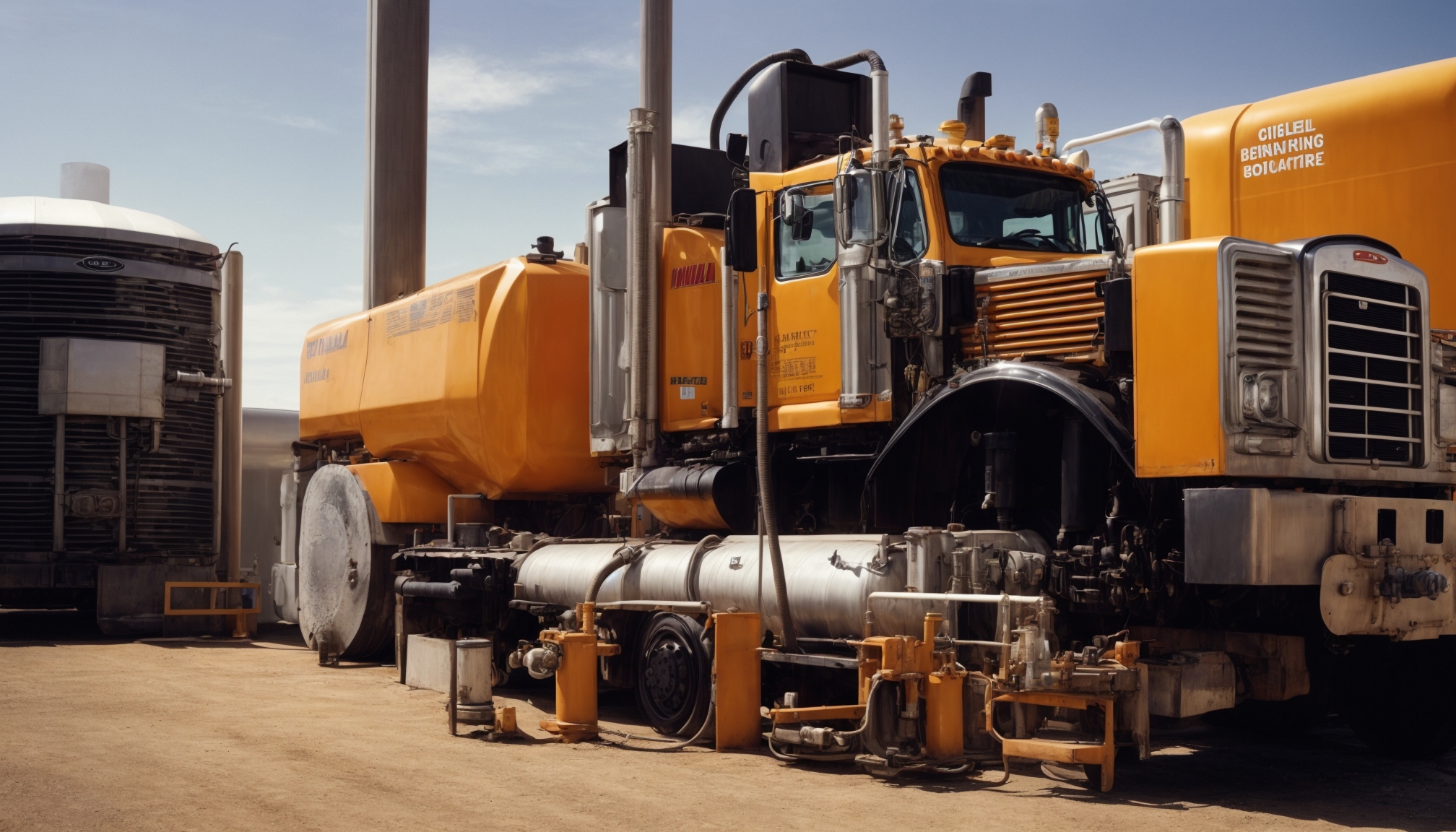
Diesel Specialists | Expert Engine Solutions for Diesel, Gasoline & More – Major engine makers and fleet operators are accelerating efforts to improve diesel biofuel engine compatibility as governments tighten emission regulations and customers demand cleaner transport solutions.
Stricter emission standards in Europe, North America, and parts of Asia are driving rapid changes in engine design and fuel standards. Regulators now encourage lower lifecycle emissions, not just cleaner exhaust at the tailpipe. Because of this, interest in advanced biofuels that can run in existing diesel engines is increasing.
Many countries are raising mandatory blending levels for biodiesel and hydrotreated vegetable oil (HVO). Policymakers see these fuels as a bridge between conventional diesel and full electrification. As a result, manufacturers test engines more intensively with various blends, from modest B7 and B10 mixes up to B20 and even B100 in some markets.
Fleet operators follow these developments closely. They must balance compliance with regulations, operating costs, and engine durability. Clear guidance on fuels and engine warranties has become a key factor in vehicle purchasing decisions.
The term diesel biofuel engine compatibility covers how well an engine tolerates different biofuel blends without loss of performance, reliability, or warranty coverage. For conventional biodiesel (FAME-based), higher blends can affect cold flow properties, fuel stability, and the formation of deposits in injectors and filters.
Manufacturers typically approve a specific maximum blend level for each engine family. While some heavy-duty engines now support B20 under defined conditions, many light-duty engines still officially permit only B7 or B10 in Europe. In contrast, HVO and other paraffinic renewable diesels often gain broader approvals because their properties closely resemble fossil diesel.
Engine developers also examine long-term effects on fuel system components. Seals, hoses, and injection pumps can react differently to bio-based fuels. Therefore, engineers test materials for swelling, hardness changes, and potential leaks over thousands of operating hours.
Leading engine manufacturers are updating injection systems, combustion strategies, and aftertreatment solutions to handle a wider biofuel portfolio. More advanced common-rail systems now adjust injection timing and pressure to compensate for different energy contents and combustion characteristics.
In addition, some companies issue new technical bulletins and extended approvals. These documents explain which fuel standards are permitted and under what conditions. For fleets, these updates significantly shape perceptions of diesel biofuel engine compatibility and their willingness to switch fuels.
Read More: International Energy Agency overview on global biofuels trends
Warranty policies remain a sensitive topic. Manufacturers usually require fuels that meet specific EN, ASTM, or national standards. If operators use off-spec or poorly stored biofuel, they risk filter clogging, injector problems, or microbial growth in tanks. Such issues can still void coverage, reinforcing the need for reputable suppliers.
Real-world experience from bus companies, logistics fleets, and municipal services offers valuable insights. Many operators report smooth transitions when switching to modest blends, especially when they clean storage tanks and fuel systems beforehand. They also adopt stricter fuel quality monitoring.
Cold climate fleets pay special attention to winter operability. They often combine appropriate cold-flow additives, seasonal fuel grades, and preventive filter changes. These strategies help maintain diesel biofuel engine compatibility in sub-zero conditions and reduce unexpected downtime.
Some operators choose HVO or other paraffinic renewable diesels for high-performance or sensitive applications. These fuels usually require fewer changes to maintenance schedules and deliver consistent combustion behavior. However, they can be more expensive and depend on regional availability.
One of the main motivations behind expanding diesel biofuel engine compatibility is the potential for significant greenhouse gas reductions. Many advanced biofuels, especially those based on waste fats, residues, or certain non-food crops, can offer sizable lifecycle emission cuts compared with fossil diesel.
However, not all biofuels deliver the same benefits. Sustainability certifications, feedstock origin, and land-use impacts influence the real climate advantage. Policymakers and companies therefore increasingly request transparent lifecycle assessments and traceable supply chains.
Air quality also plays a role. While modern aftertreatment systems control particulate matter and nitrogen oxides, fuel quality still affects exhaust composition. Stable, well-specified biofuels tend to support cleaner combustion, whereas poor-quality blends may increase deposits and emissions.
Analysts expect diesel engines to remain central to heavy-duty transport, construction, and agriculture for many years. In this context, diesel biofuel engine compatibility becomes a strategic tool to reduce emissions quickly while new technologies scale up.
Electric trucks, fuel-cell vehicles, and hybrid systems are entering the market, but infrastructure and cost barriers persist in several regions. Meanwhile, drop-in renewable diesel and advanced biodiesel allow existing fleets to decarbonize faster with relatively minor modifications.
Industry experts foresee growing collaboration between engine makers, fuel producers, and fleet operators. Shared testing programs, harmonized standards, and clear labeling can build confidence and minimize technical risks. As these partnerships deepen, diesel biofuel engine compatibility will likely expand further, supporting a more sustainable yet reliable transport sector.
[SITE_NAME] - identifikasi kerusakan mesin diesel sangat penting bagi pemilik kendaraan atau operator mesin untuk mencegah kerusakan berlanjut yang merugikan.…
[SITE_NAME] - off highway diesel engine technology is evolving rapidly to meet stringent emissions standards and increasing demands for fuel…
[SITE_NAME] - alternative fuels changing diesel engines are accelerating the evolution of transportation technology as industries shift toward cleaner and…
Diesel Specialists | Expert Engine Solutions for Diesel, Gasoline & More - Diesel particulate filter failures on Komatsu heavy equipment…
Diesel Specialists | Expert Engine Solutions for Diesel, Gasoline & More - A common rail diesel engine significantly enhances fuel…
Diesel Specialists | Expert Engine Solutions for Diesel, Gasoline & More - heavy duty diesel engines different characteristics set them…