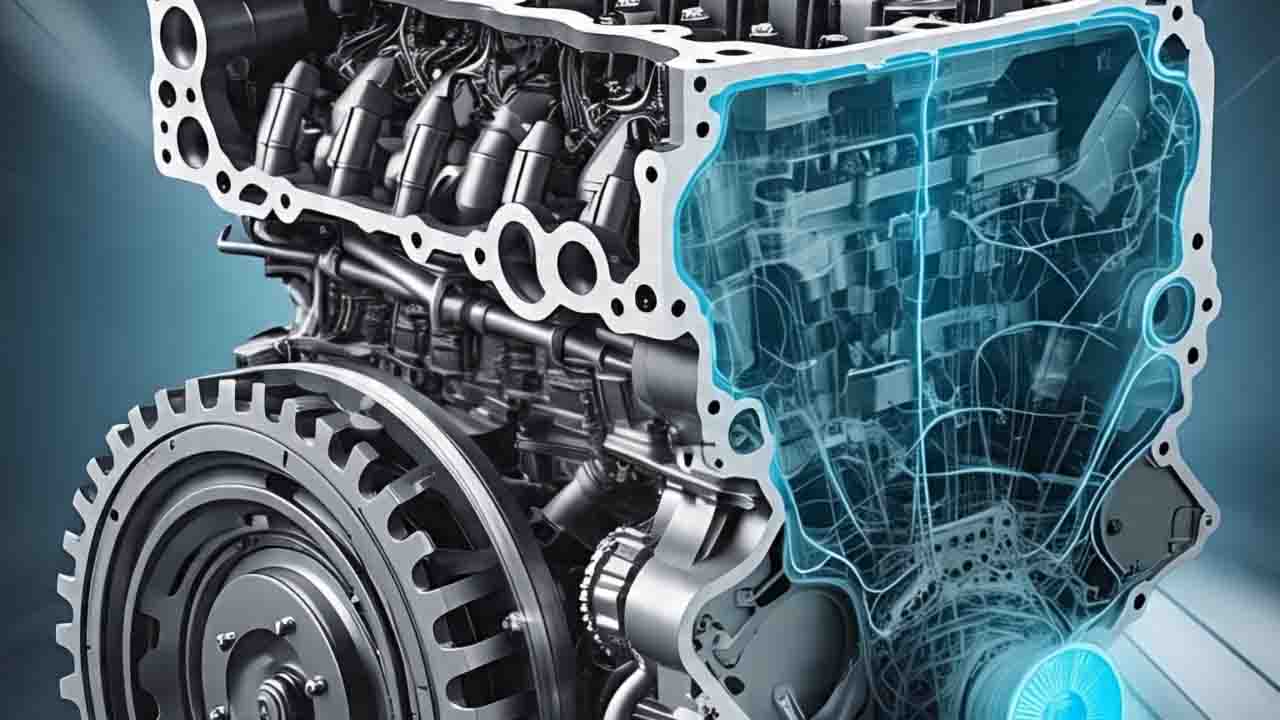
Dieselspecialists – Hybrid and Hydrogen technologies are rapidly transforming the automotive industry, especially in the heavy-duty transport sector. As environmental regulations tighten and climate concerns intensify, manufacturers are moving swiftly to embrace solutions that promise both efficiency and sustainability. Leading the charge are hybrid and hydrogen combustion engines seen as a crucial bridge between traditional diesel engines and full electrification.
Hybrid and Hydrogen engine development is primarily motivated by the urgent need to reduce greenhouse gas emissions. Unlike conventional diesel engines, hydrogen combustion engines emit little to no carbon dioxide. This makes them an attractive option for truck manufacturers aiming to meet aggressive emission reduction targets without a complete overhaul of existing production lines.
Companies such as Volvo and MAN are at the forefront of this movement. Both have unveiled prototypes of hydrogen combustion engines designed specifically for commercial trucks. These engines work within the framework of existing internal combustion architecture, making them a quicker and more cost-effective route compared to fully electric alternatives especially for long-haul transport where battery range remains a limitation.
“Ride the Iconic Grossglockner High Alpine Road”
One of the key advantages of hybrid and hydrogen engines is their compatibility with current manufacturing systems. Instead of investing billions in brand-new facilities and infrastructure, manufacturers can repurpose their diesel engine assembly lines to produce hydrogen-compatible units. This dramatically reduces the time and cost required for a green transition.
Hydrogen fuel can be distributed through modified versions of current fueling stations, further streamlining adoption. In hybrid systems, the combination of electric and combustion power allows for fuel savings and better efficiency, especially in urban settings where stop-and-go traffic is common.
While full electrification remains the long-term goal for many automakers, hybrid and hydrogen engines provide a realistic and immediate solution to environmental challenges. They offer significant emissions reductions while retaining the performance and reliability that industries depend on.
As more governments offer incentives for clean technologies and invest in hydrogen infrastructure. The path for hybrid and hydrogen-powered transportation becomes clearer. This transitional technology not only buys time for battery advancements. But also secures a more sustainable future for commercial mobility without sacrificing practicality.
Hybrid and Hydrogen engines are not just technological innovations. They are strategic choices in the global effort to drive change one clean mile at a time.
“Rising Cairo: A Gem of Coral Beauty and Ancient History”
Dieselspecialists - A recent field audit revealed that 42% of heavy diesel engine failures stem from overlooked routine checks, prompting…
Dieselspecialists - Heavy-duty manufacturers are racing to cut fuel consumption after a recent study revealed a 12% average waste in…
Dieselspecialists - Operators of large diesel machines face a steep learning curve, yet a recent study by the International Equipment…
Dieselspecialists - Heavy‑duty construction firms are scrambling to select the right powerplant as demand for larger equipment surges, with 2023…
Dieselspecialists - Procuring quality diesel engine parts is the single most decisive factor between a machine that clocks 15,000 hours…
Dieselspecialists - The heavy equipment sector is undergoing a silent revolution, driven by stringent emission standards and the demand for…