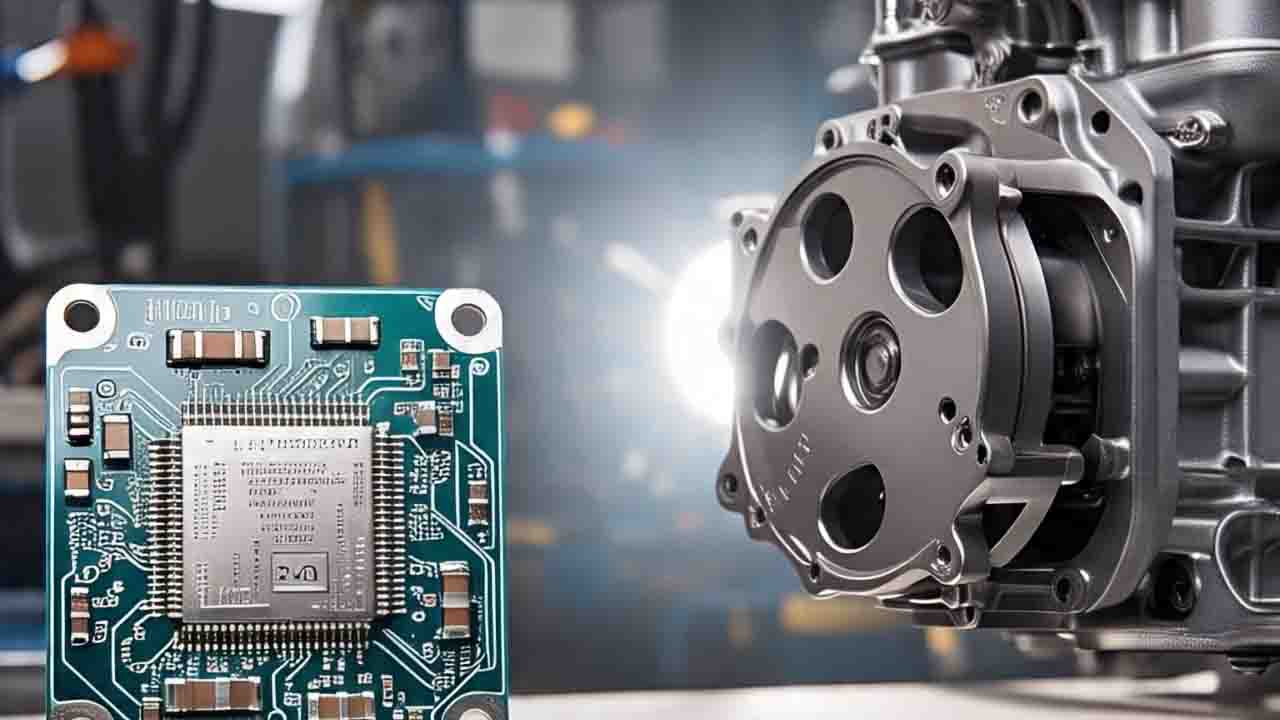
Dieselspecialists – The Chip Crunch has become the automotive industry’s worst nightmare, with modern diesel engines taking a particularly hard hit. As semiconductor shortages persist, production lines for diesel vehicles from commercial trucks to SUVs are facing unprecedented disruptions, forcing manufacturers to make tough decisions about their future.
The current Chip Crunch has exposed a critical weakness in modern diesel technology: its heavy reliance on electronic components. Today’s “clean diesel” engines require up to 50+ microchips to manage everything from precision fuel injection to emissions control systems. Major brands like Ford and Volvo have been forced to delay deliveries of key diesel models, with some factories operating at just 60-70% capacity. The crisis has been especially damaging for commercial vehicle manufacturers, where diesel still dominates long-haul transportation.
“From Tokyo to Berlin: Custom Motorcycle Culture Went Global”
Three key factors make diesel engines more vulnerable to the Chip Crunch:
The problem is compounded by the 18-24 month lead time for automotive-grade chips, meaning shortages could persist well into 2025. Some manufacturers are now stripping non-essential electronic features from base models to conserve chips.
The ongoing crisis is forcing automakers to reconsider diesel’s role in their lineups. Some are pivoting to:
While diesel isn’t disappearing overnight, the Chip Crunch has accelerated its decline in passenger vehicles. For heavy transport, however, manufacturers are betting on modular chip designs and localized production to weather future shortages.
The Chip Crunch is already hitting consumers where it hurts, with diesel vehicle prices soaring due to limited inventory. Dealerships report wait times of 6-12 months for popular diesel models, pushing many buyers toward gasoline or hybrid alternatives. The commercial sector faces even starker challenges, with logistics companies paying 20-30% premiums for used diesel trucks as new vehicle deliveries stall. This supply crunch has created a ripple effect across industries, from agriculture to construction, where diesel power remains irreplaceable. Meanwhile, automakers are quietly reshuffling production priorities, with some European brands reportedly cutting diesel options from certain models entirely a move that would have been unthinkable before the semiconductor crisis.
“Warner Bros Discovery to Split into Two Companies”
Dieselspecialists - Unplanned downtime for a single mining haul truck can cost operations up to $50,000 per hour, yet industry…
Dieselspecialists - The era of diesel engines being defined solely by raw displacement and black smoke is effectively over. Recent…
Dieselspecialists - Downtime in the mining sector is the silent profit killer that rarely makes it to the quarterly report.…
Dieselspecialists - The global construction and mining sectors are currently navigating a complex paradox where the demand for higher productivity…
Dieselspecialists - Unplanned downtime in the heavy machinery sector now averages a staggering $22,000 per minute according to a 2023…
Dieselspecialists - Unplanned downtime in large-scale earthmoving operations costs contractors an average of $22,000 per hour according to a 2023…