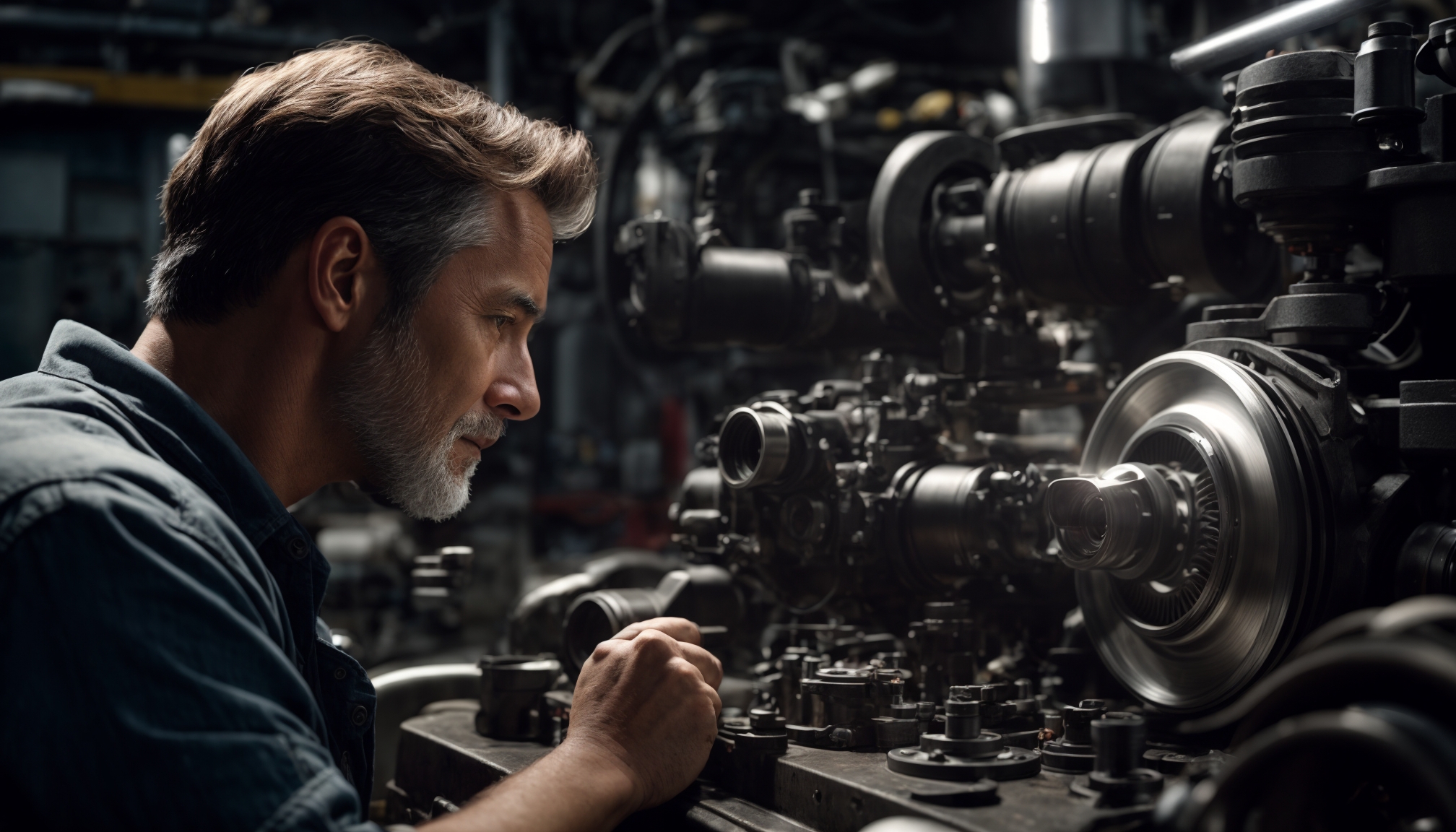
Diesel Specialists | Expert Engine Solutions for Diesel, Gasoline & More – Turbochargers in diesel engines boost power and efficiency by forcing more compressed air into the combustion chamber than atmospheric pressure alone can provide.
To understand turbochargers in diesel engines, you must start with airflow and pressure. A diesel engine burns fuel using compressed air. The more air available, the more fuel it can burn efficiently. Therefore, the engine can produce more power from the same displacement.
Turbochargers in diesel engines use exhaust gas energy that would otherwise be wasted. Hot exhaust spins a turbine wheel. This turbine connects to a compressor wheel on the same shaft. As the turbine turns, the compressor draws in fresh air and squeezes it before sending it to the cylinders.
Because the air is denser, turbochargers in diesel engines allow a richer oxygen supply. As a result, the burn becomes more complete. This improves torque, especially at low to mid engine speeds. It also helps maintain strong pulling power under heavy load.
Several key parts allow turbochargers in diesel engines to work reliably at very high speed. First, the turbine housing guides exhaust gas onto the turbine wheel. Its shape creates velocity. High-speed exhaust flow spins the turbine efficiently and quickly.
Next, the compressor housing contains the compressor wheel. It directs incoming air, compresses it, then delivers it toward the intake manifold. Because turbochargers in diesel engines run at over 100,000 rpm, the central shaft and bearings must handle huge loads.
The center housing, often called the CHRA, holds the shaft, bearings, and oil passages. Pressurized engine oil lubricates and cools these rotating parts. Without proper lubrication, turbochargers in diesel engines overheat, seize, or break apart. Finally, seals keep oil inside the turbo and prevent air or exhaust leaks.
When the driver presses the accelerator, more fuel is injected. Exhaust gas volume and temperature rise. Therefore, more exhaust flows through the turbine housing. The turbine wheel accelerates rapidly and increases shaft speed.
Meanwhile, the compressor wheel spins faster and pulls in more ambient air. It compresses this air and forces it into the intake system. Turbochargers in diesel engines create a pressure difference between intake manifold and outside air. This extra pressure is known as boost.
Boost pressure is carefully controlled. If pressure rises too high, engine parts can suffer damage. Most modern turbochargers in diesel engines use a wastegate or variable-geometry vanes. These systems regulate exhaust flow to the turbine and keep boost within safe limits.
During compression, air temperature increases significantly. Hot air is less dense and holds less oxygen. To solve this problem, many turbochargers in diesel engines work alongside an intercooler. An intercooler is a small heat exchanger placed between the turbo and intake manifold.
As compressed air passes through, it cools down. Cooler air is denser and improves combustion quality. Because of this, intercoolers help turbochargers in diesel engines deliver more power with lower exhaust emissions. They also reduce the risk of engine knock and excessive cylinder temperatures.
Read More: How turbocharged diesel engines improve power and efficiency safely
The biggest advantage of turbochargers in diesel engines is higher torque from a smaller engine. A turbocharged diesel can match or exceed the pulling power of a larger naturally aspirated engine. This allows manufacturers to downsize engine displacement without losing performance.
In addition, fuel efficiency often improves. Since turbochargers in diesel engines recover energy from exhaust, they use fuel energy more completely. Operators see better mileage, lower operating costs, and reduced CO2 emissions.
Another benefit is altitude compensation. At higher elevations, air is thinner. Naturally aspirated engines lose power. However, turbochargers in diesel engines can maintain boost and partially offset the reduced air density, keeping performance more consistent.
Despite their strength, turbochargers in diesel engines are sensitive to lubrication quality and maintenance habits. Dirty or low-quality oil causes bearing wear. Contaminants can scratch the shaft and reduce balance. Eventually, the turbo may start whistling, smoking, or losing boost.
Regular oil changes with the correct grade are essential. In addition, many mechanics recommend brief idle time after heavy driving. This allows turbochargers in diesel engines to cool gradually. Sudden shutdown after a hard run can cause oil coking inside the center housing.
Another issue is foreign object damage. If debris enters either the exhaust or intake side, it can strike the turbine or compressor blades. Damaged blades reduce efficiency and may break apart. Therefore, clean air filters and intact intake piping are critical for turbochargers in diesel engines.
Recent engines use advanced electronics to manage boost. Sensors monitor intake pressure, exhaust pressure, and temperature. The engine control unit then adjusts fuel injection and turbo position. Variable-geometry turbochargers in diesel engines can change vane angle to optimize response and efficiency.
Electronic control reduces turbo lag and protects the engine from overboost. It also coordinates with exhaust aftertreatment systems. Carefully managed turbochargers in diesel engines help maintain proper exhaust temperatures for diesel particulate filters and catalytic converters.
Because everything is integrated, problems in sensors or actuators can affect turbo behavior. Accurate diagnostics and software updates play a larger role in keeping turbochargers in diesel engines operating at their best.
Drivers and fleet operators can extend the life of turbochargers in diesel engines with simple habits. Always follow the recommended oil and filter schedule. Use only approved lubricants and fuel quality suitable for the engine’s design.
Allow a short warm-up period so oil reaches the turbo before heavy load. Likewise, avoid full throttle until engine temperature stabilizes. These steps help turbochargers in diesel engines reach operating conditions safely and reduce mechanical stress.
Finally, pay attention to unusual noises, smoke, or loss of power. Early inspection can prevent complete turbo failure. When maintained correctly, turbochargers in diesel engines deliver strong, efficient performance for many thousands of operating hours.
Diesel Specialists | Expert Engine Solutions for Diesel, Gasoline & More - Heavy equipment work demands physical strength and endurance,…
Diesel Specialists | Expert Engine Solutions for Diesel, Gasoline & More - Managing the complex heavy diesel system diagnostics for…
Diesel Specialists | Expert Engine Solutions for Diesel, Gasoline & More - Diesel engines large demand remains significant in the…
Diesel Specialists | Expert Engine Solutions for Diesel, Gasoline & More - Diesel car engines Asia have gained widespread popularity…
Diesel Specialists | Expert Engine Solutions for Diesel, Gasoline & More - heavy equipment diesel engines power some of the most…
Diesel Specialists | Expert Engine Solutions for Diesel, Gasoline & More - identifikasi kerusakan mesin diesel sangat penting bagi pemilik kendaraan…