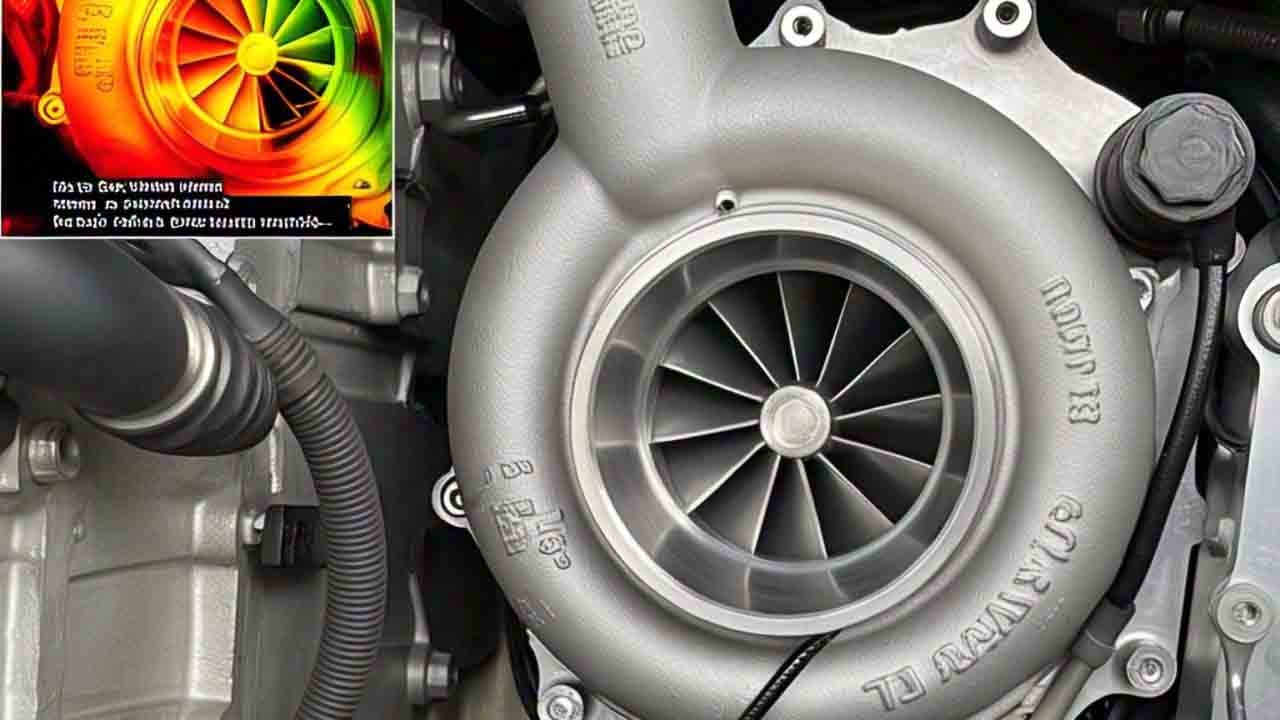
Dieselspecialists – Turbo Smart vehicle maintenance starts with understanding how a turbocharger works and what it needs to function effectively over time. One of the most overlooked yet critical habits for diesel vehicle owners is allowing the engine to idle briefly after long or high-speed drives. This short period of idling gives the turbocharger time to cool down gradually, preventing heat from damaging internal components. Shutting the engine off immediately after intense use can cause oil inside the turbo to overheat, leading to premature wear, carbon buildup, or even failure.
By simply letting the engine idle for 30 seconds to two minutes after a drive especially following highway speeds or towing drivers can significantly extend the lifespan of their turbocharger. It’s a small action that delivers big results in performance and cost savings over the life of the vehicle.
Turbo Smart engine owners know that turbochargers play a vital role in increasing engine efficiency and power. By using exhaust gases to spin a turbine, the turbo forces more air into the engine, allowing it to burn fuel more efficiently. However, this process generates intense heat, with turbochargers often reaching temperatures over 1,000°F.
“Green and Mean: The Rise of Custom Electric Motorcycles”
This heat, while essential for performance, poses a risk if not properly managed. The turbine’s high-speed rotation combined with extreme temperatures means it requires clean, well-lubricated oil and controlled cooling. Without appropriate post-drive idling, oil can burn inside the turbo when the engine is turned off abruptly, damaging bearings and seals.
Understanding the mechanics behind turbo operation helps drivers appreciate the importance of simple maintenance habits that protect this essential component.
To keep your turbocharger in optimal condition, follow these Turbo Smart maintenance tips:
Being Turbo Smart isn’t just about knowing what a turbocharger does. It’s about practicing the right habits to keep it running strong for the long haul. Whether you’re new to diesel engines or a seasoned driver. These tips can make a significant difference in your vehicle’s efficiency and reliability.
“NUS College: Bridging Cultures and Communities for Students”
Dieselspecialists - A recent field audit revealed that 42% of heavy diesel engine failures stem from overlooked routine checks, prompting…
Dieselspecialists - Heavy-duty manufacturers are racing to cut fuel consumption after a recent study revealed a 12% average waste in…
Dieselspecialists - Operators of large diesel machines face a steep learning curve, yet a recent study by the International Equipment…
Dieselspecialists - Heavy‑duty construction firms are scrambling to select the right powerplant as demand for larger equipment surges, with 2023…
Dieselspecialists - Procuring quality diesel engine parts is the single most decisive factor between a machine that clocks 15,000 hours…
Dieselspecialists - The heavy equipment sector is undergoing a silent revolution, driven by stringent emission standards and the demand for…